

Bra Lifespan: When Should You Replace Yours?
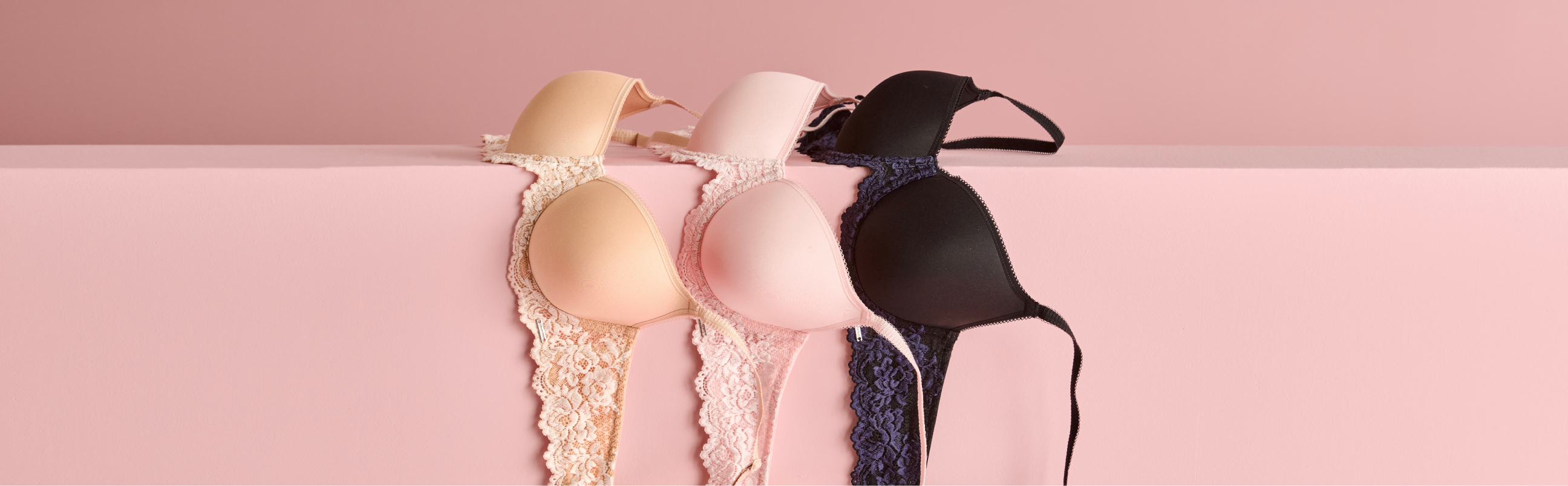
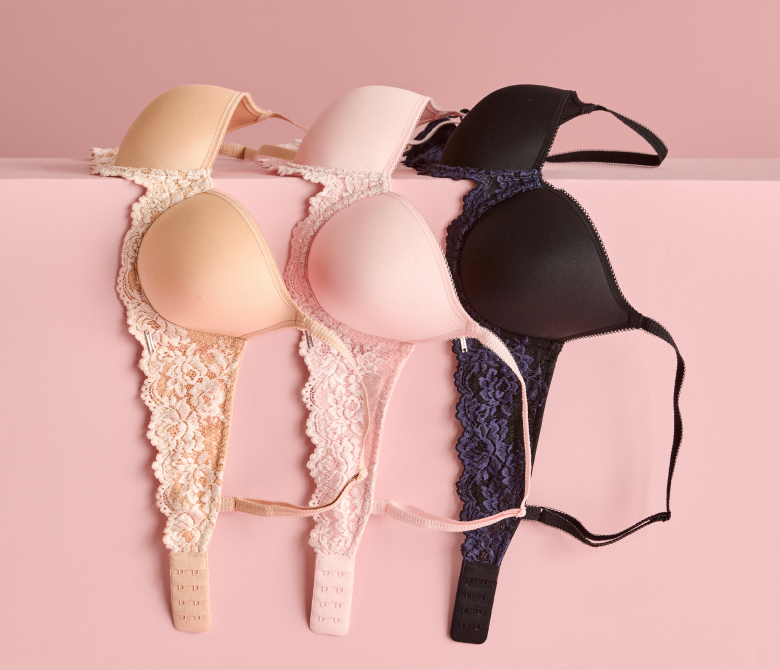
Is your bra past its best?
When did you last buy a new bra, or better yet, how long have you been wearing your favourite one?
If your answer is “a few years,” you’re not alone. In fact, close to 70% of women say they’re still wearing a bra that’s two to five years old.
At la Vie en Rose, we believe in a gentle, caring, and open approach to everything lingerie. As experts, part of our role is to guide you, which includes sharing honest information about bra lifespan. Because yes, bras do have a lifespan and understanding this can significantly improve both your comfort and support.
A bra is far more than a fashion accessory or a pretty piece of lingerie. It's a complex piece of textile engineering, designed to support one of the most delicate tissues in the human body. One question we hear constantly—both in-store and online—is: how long does a bra last?
Wearing a worn-out bra isn't just an aesthetic issue. It affects your posture, your skin comfort, and your confidence. In this guide, the la Vie en Rose experts walk you through the lifecycle of your lingerie, the warning signs to watch for, and the professional care methods that will help your favourite bras last as long as possible.
What Is the Average Lifespan of a Bra?
With regular wear, a bra typically lasts between six and nine months. That said, our experts are quick to point out that this isn't a hard-and-fast rule. How long your lingerie lasts depends on a combination of technical factors and everyday habits.
For example, that gorgeous bra you save for special occasions and always hand-wash won't need replacing nearly as fast as the one you wear every day and toss in the machine.
The Science Behind Elastic Fibres
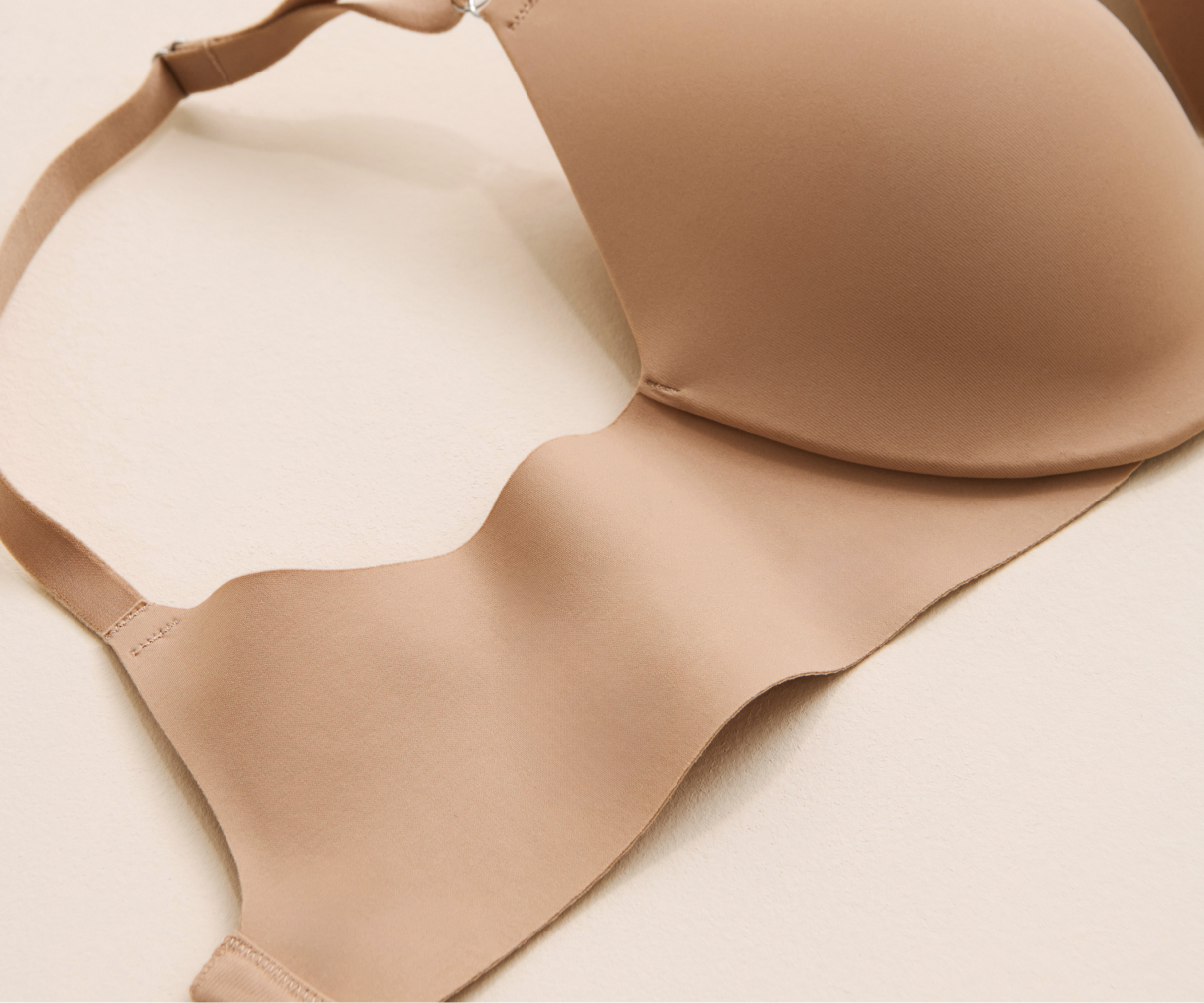
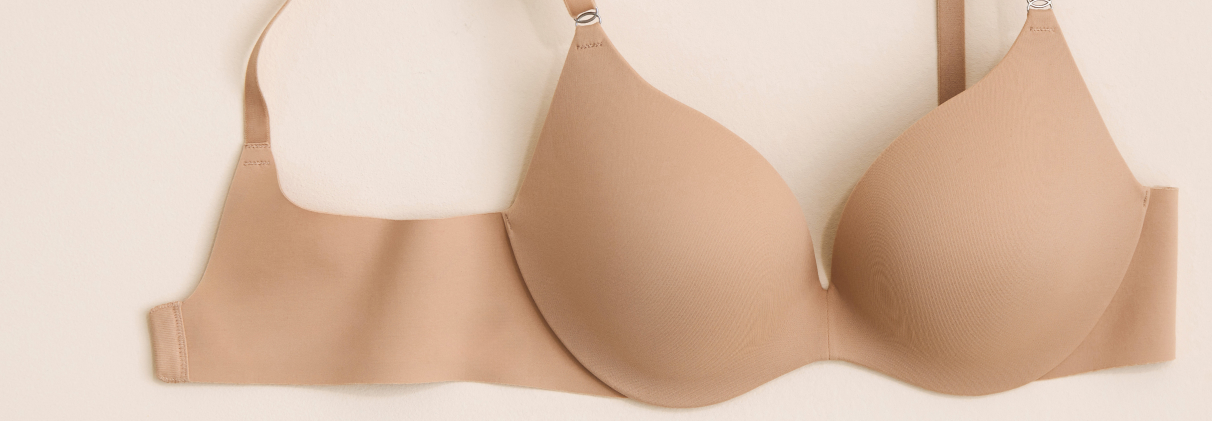
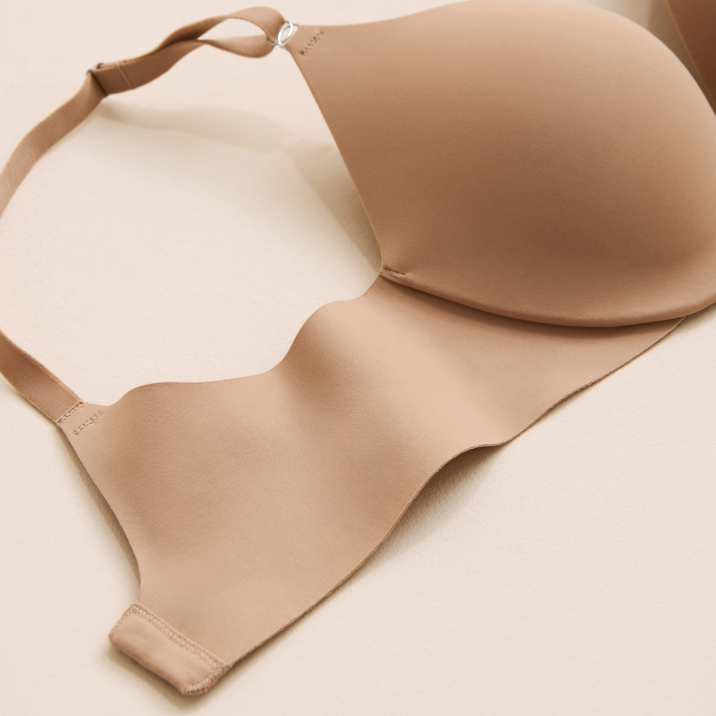
Most modern bras contain elastane (also known as Lycra). This fiber is what allows the fabric to move with your body. Over time, body heat and repeated wash cycles cause these fibers to experience what's called "elastic fatigue," a completely normal process. They stretch out and simply stop bouncing back. Once that elasticity is gone, your bra can no longer provide the support you need, and it's time for a replacement.
What Affects Longevity?
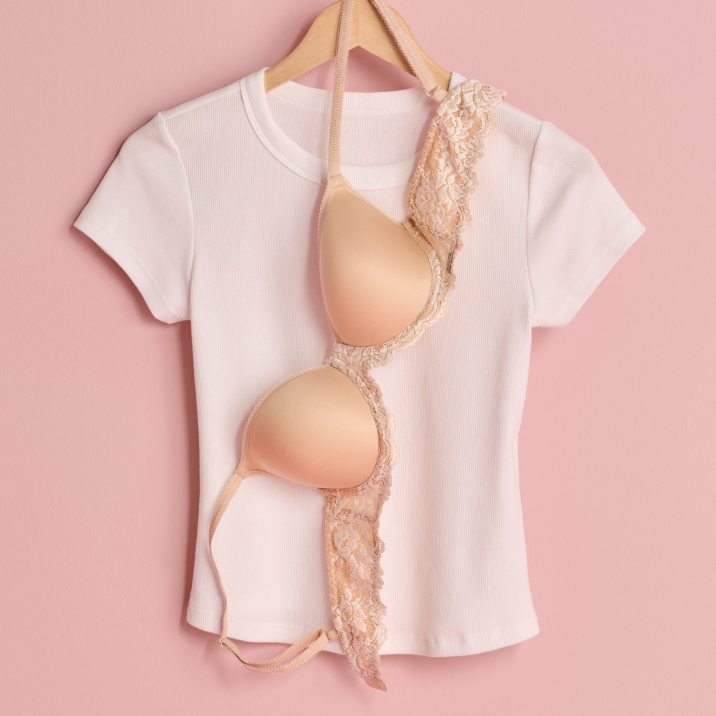
La Vie en Rose's lingerie experts highlight several factors that most of us don't think about, but that directly impact how long a bra holds up.
- How many bras do you rotate through? The more you wear the same bra, the harder its elastic fibers work and the shorter its lifespan. If you only own two bras and alternate them every day, there's a good chance both will be worn out in under six months.
- Your daily activity level: A bra worn during an active day, think brisk walking or a stressful day at work (hello, perspiration), takes on more chemical and mechanical stress than one worn for a quiet evening out.
- The quality and delicacy of the materials: Delicate lace wears out faster than performance fabrics designed for sport.
- How you care for it: Improper washing can cut a bra's lifespan in half.
Signs It's Time to Replace Your Bra
Your body changes, and so does your lingerie. If you notice any of the following, it's time to part ways with your favourite style.
It can be hard to let go of a bra you love. But your body and your bra will send you clear signals. Our experts share their top tips for learning to read them, because your comfort depends on it.
Loss of Support
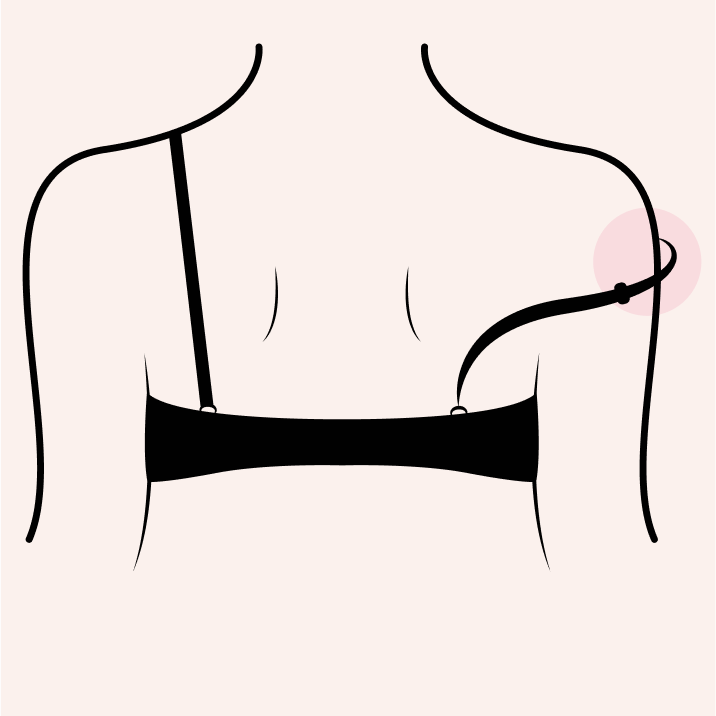
A bra's main job is to carry the weight of your bust. If you constantly must tighten your straps without getting the lift you're looking for, or if the band feels like it's lost its elasticity, the fabric has lost its compression properties. That's your cue to shop for something new.
Finally, one sign to watch for is the onset of lower back or neck pain toward the end of the day. While these aches can have various causes, they may also indicate that your bra is no longer providing optimal support and that it might be time to replace it.
Discomfort or Poking Underwires
No matter the style, your bra should always feel comfortable.
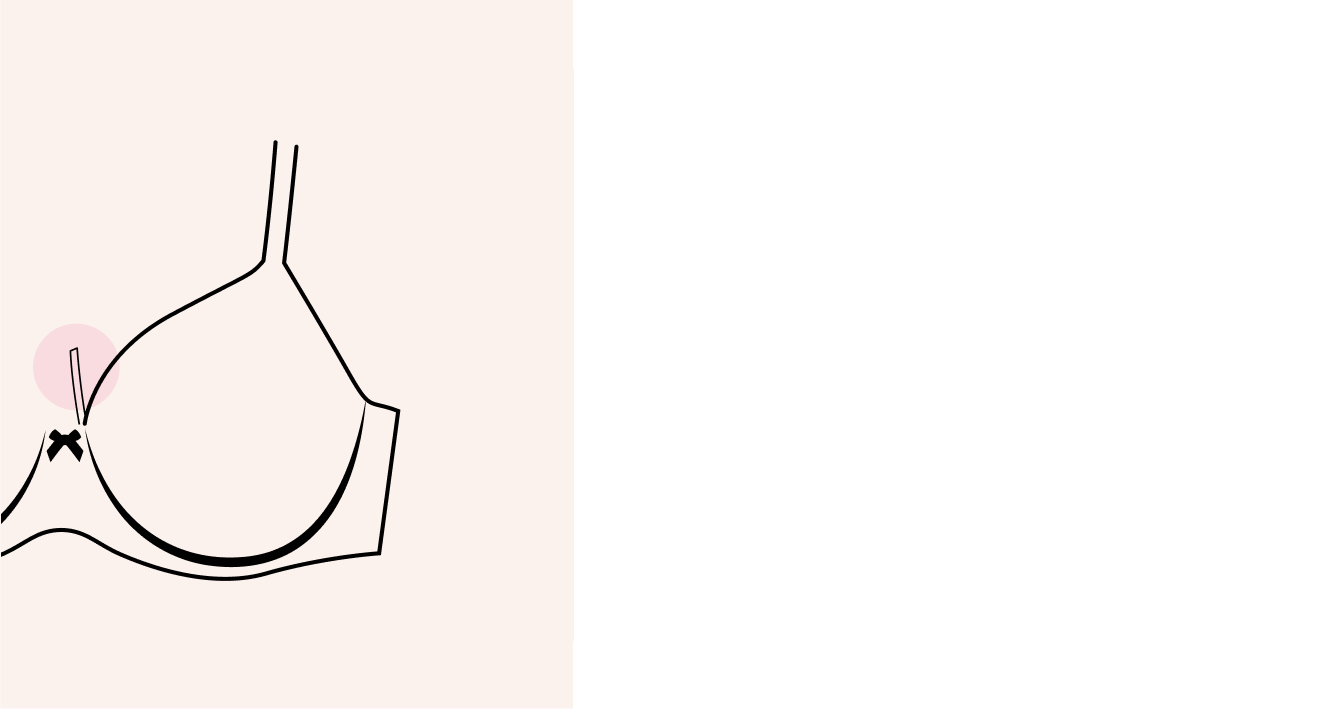
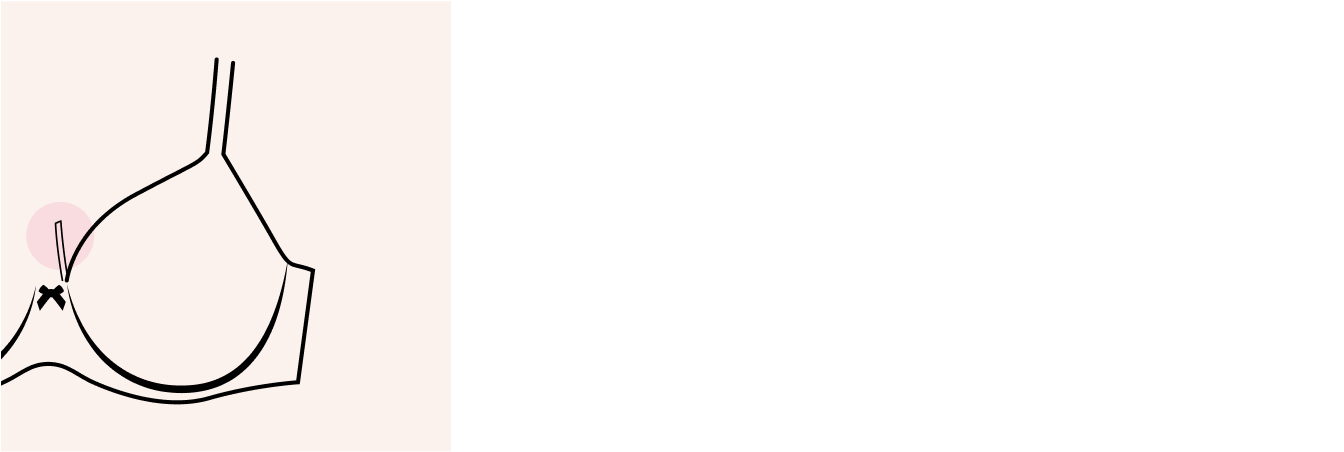
If an underwire starts digging in or breaking through the fabric, it’s a sign of major structural wear. Our experts strongly advise against sewing it back in or patching it with tape. When a wire escapes, it usually means the cup shape is already distorted. The overall structure is compromised, and DIY fixes can lead to skin irritation or breast discomfort.

Stretched‑Out Elastic and the “Riding Up” Effect
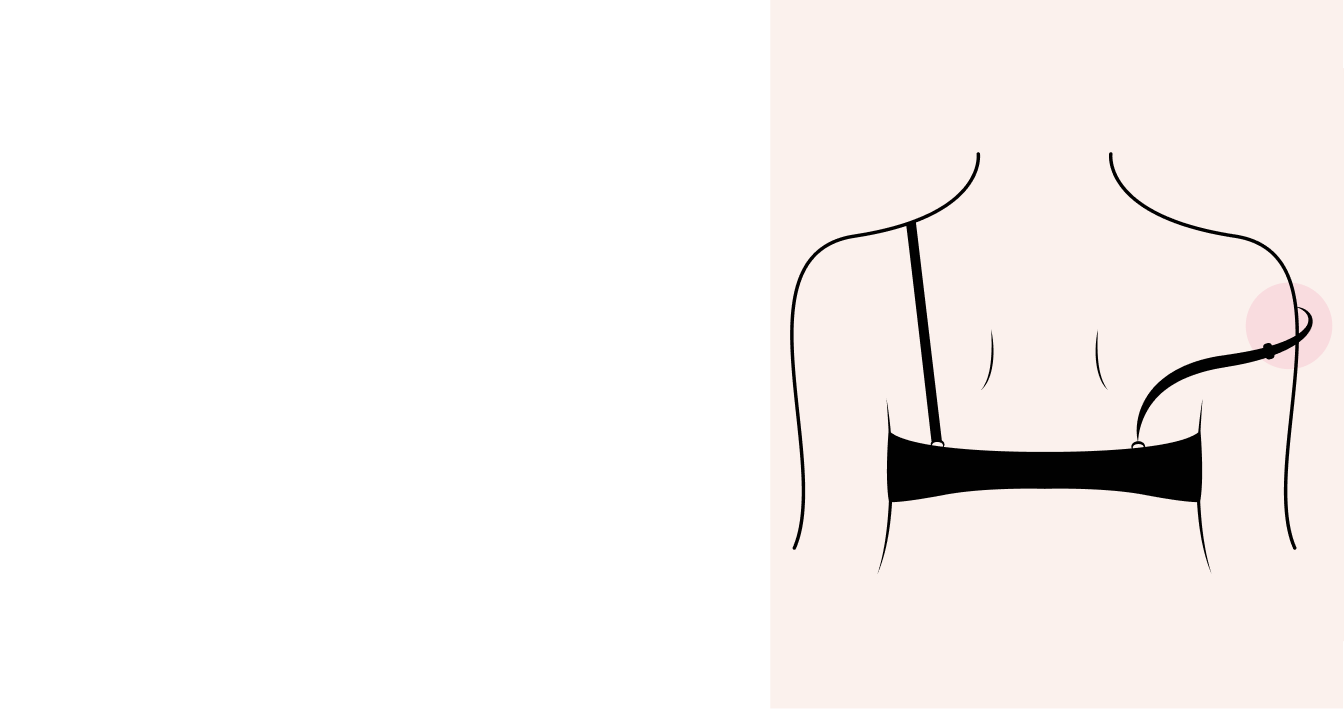
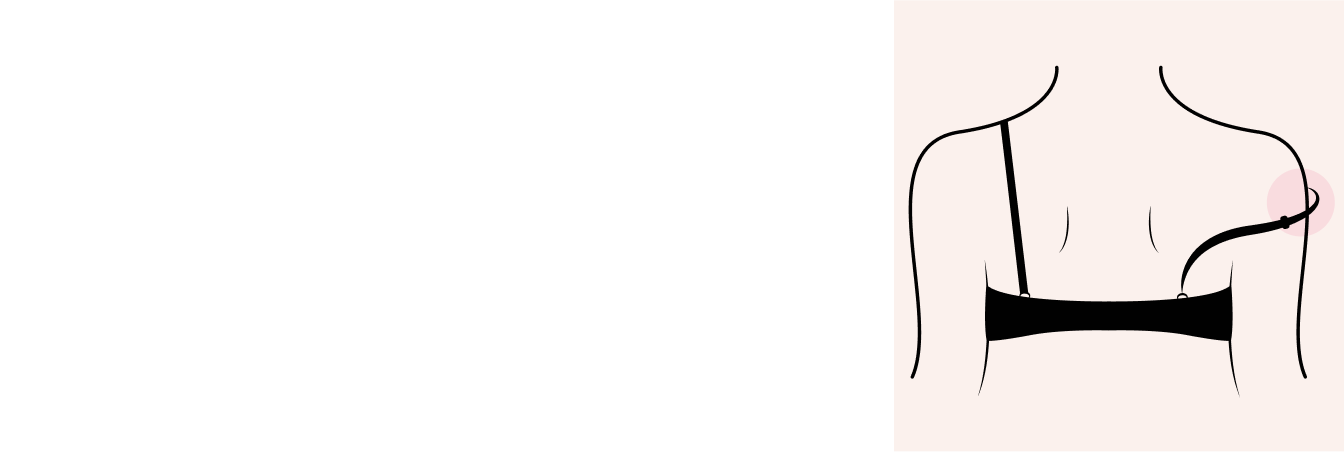
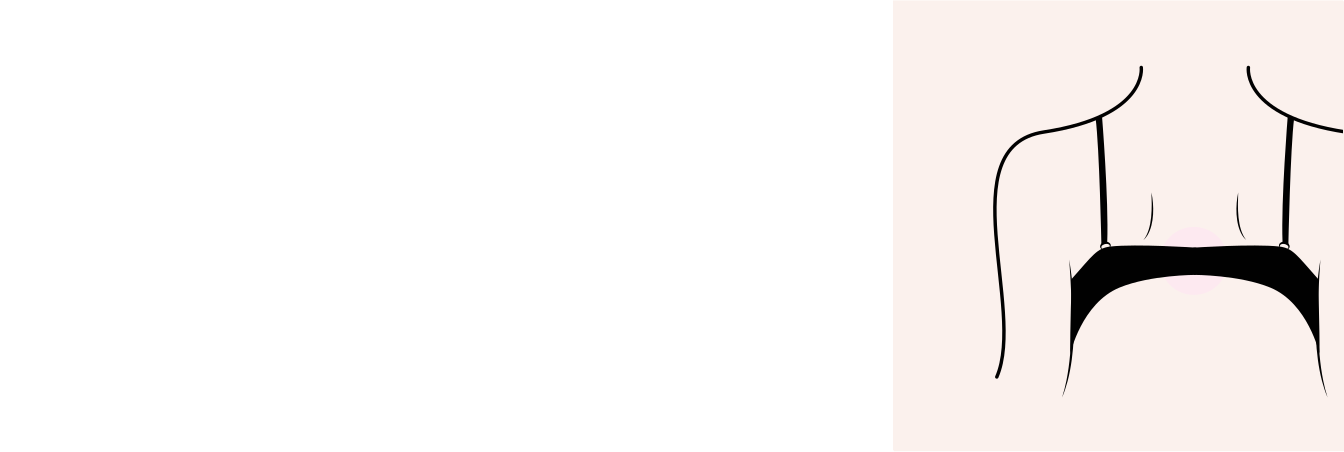
Look at the back band of your bra. It should sit straight and level. If it rides up toward your shoulder blades and forms an inverted “V,” the elastic has reached the end of its lifespan.
Another sign: the hook‑and‑eye closure. If you need the tightest setting to feel supported, your bra has already lost about 2–3 cm of elasticity and is nearing the end of its life. Remember: 80% of support comes from the band, not the straps.
Loss of Support
A bra's main job is to carry the weight of your bust. If you constantly must tighten your straps without getting the lift you're looking for, or if the band feels like it's lost its elasticity, the fabric has lost its compression properties. That's your cue to shop for something new.
Finally, one sign to watch for is the onset of lower back or neck pain toward the end of the day. While these aches can have various causes, they may also indicate that your bra is no longer providing optimal support and that it might be time to replace it.
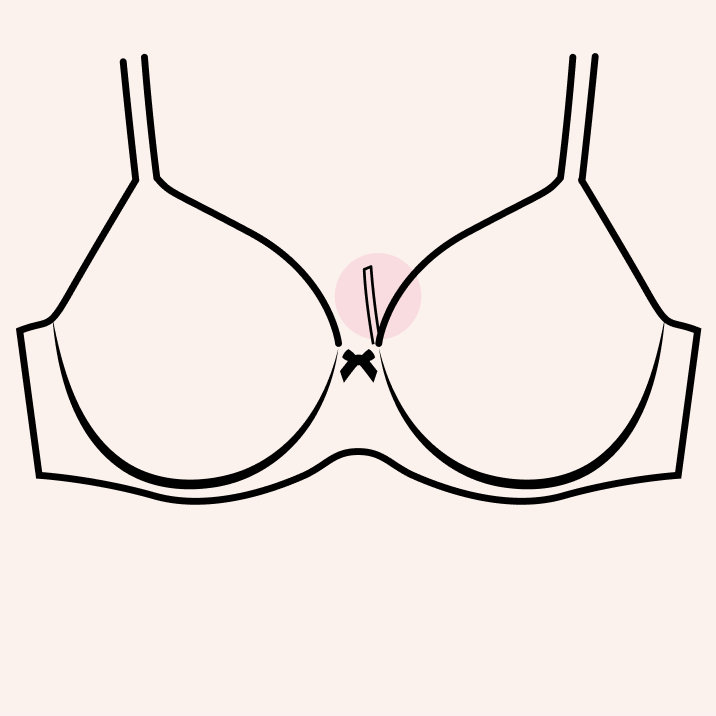
Discomfort or Poking Underwires
No matter the style, your bra should always feel comfortable.
If an underwire starts digging in or breaking through the fabric, it’s a sign of major structural wear. Our experts strongly advise against sewing it back in or patching it with tape. When a wire escapes, it usually means the cup shape is already distorted. The overall structure is compromised, and DIY fixes can lead to skin irritation or breast discomfort.
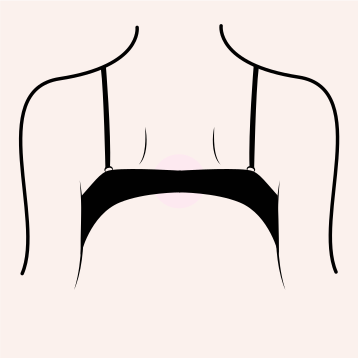
Stretched‑Out Elastic and the “Riding Up” Effect
Look at the back band of your bra. It should sit straight and level. If it rides up toward your shoulder blades and forms an inverted “V,” the elastic has reached the end of its lifespan.
Another sign: the hook‑and‑eye closure. If you need the tightest setting to feel supported, your bra has already lost about 2–3 cm of elasticity and is nearing the end of its life. Remember: 80% of support comes from the band, not the straps.
How to Make Your Bras Last Longer?
Beautiful lingerie is an investment. To get the most out of it, treat your bras like the delicate, technical garments they are.
How Many Bras Should You Own?
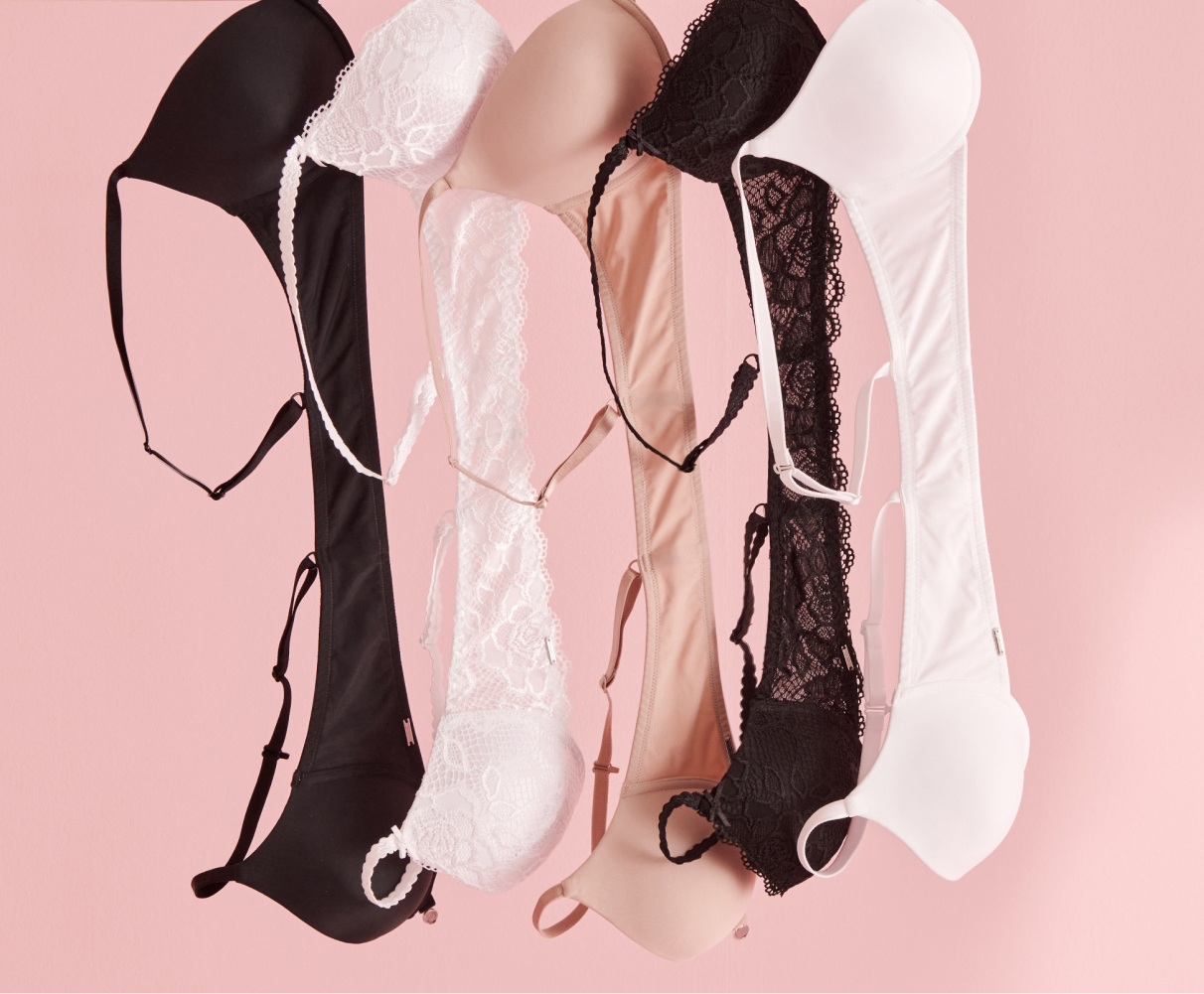
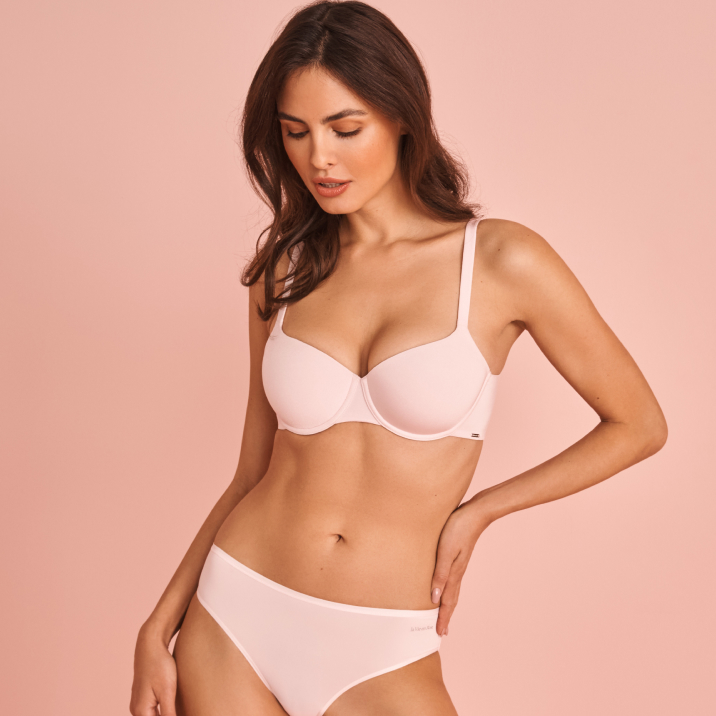
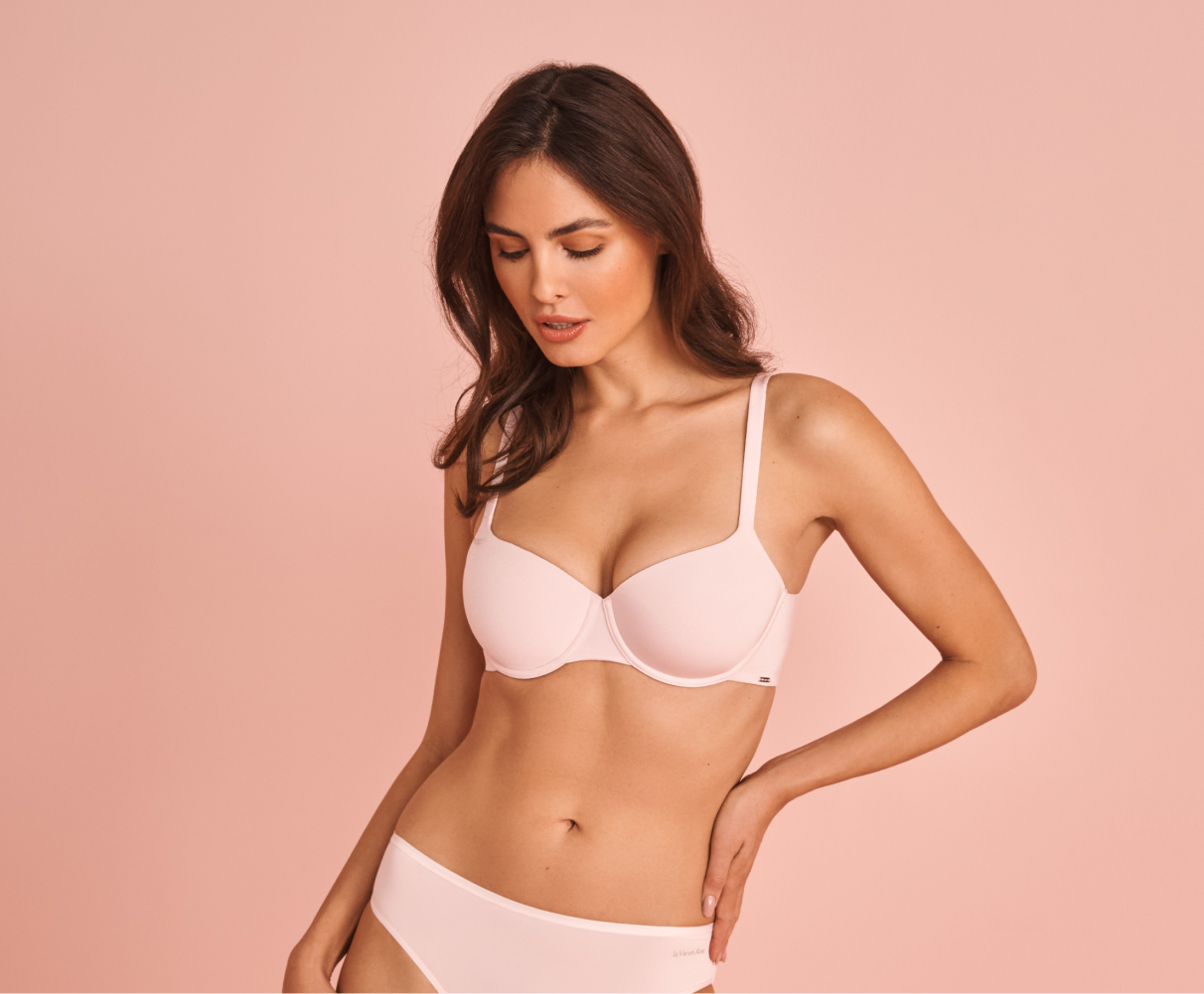
While 82% of women say they rotate only one or two bras per week, we recommend alternating between 3 to 5. Ideally, wear a different one each day to avoid premature wear.
The Golden Rule: A 48‑Hour Rotation
The most common mistake is wearing the same bra two days in a row. Why? Because elastane warms up against your skin and stretches. It needs 24 to 48 hours to cool down and recover its tension. By rotating your bras, you triple their lifespan.
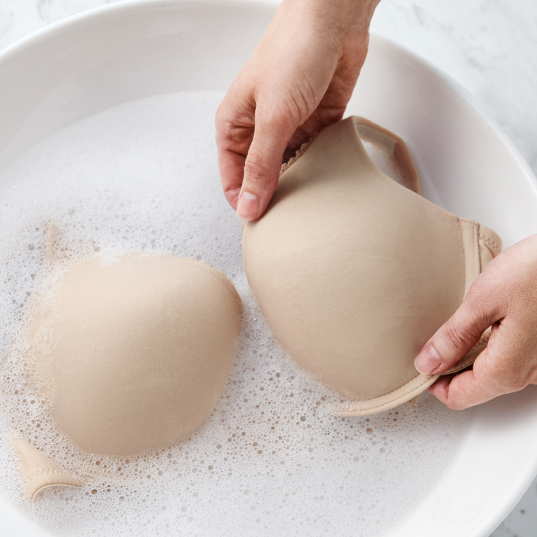
Washing That Actually Preserves Your Bras
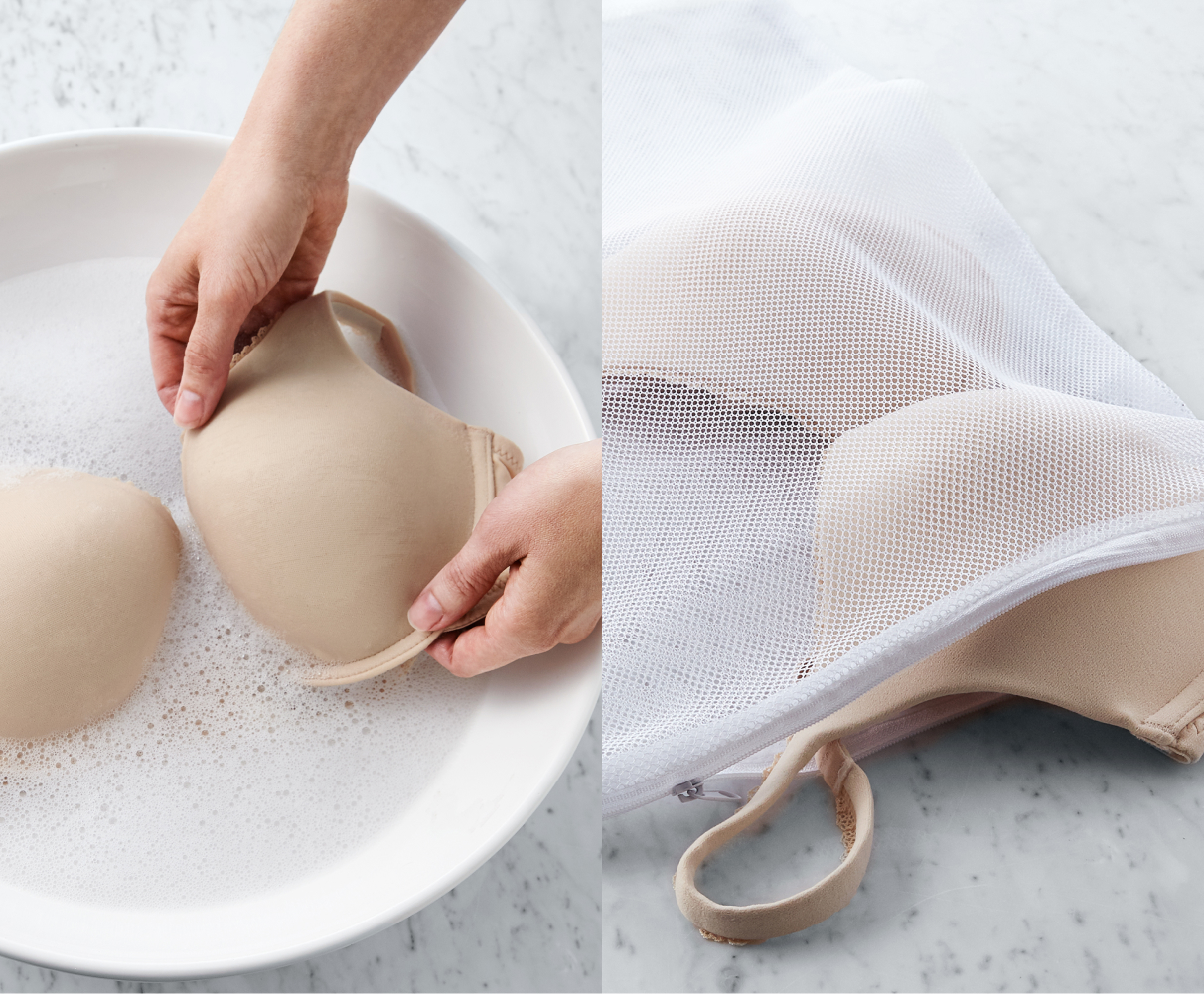
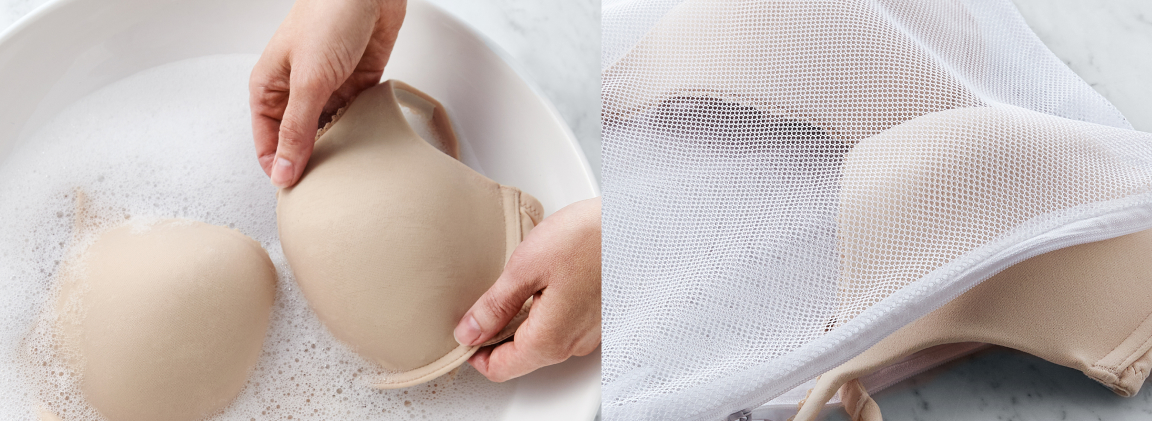
Your bras get their support, softness, and comfort from delicate fabrics. Machine washing them like regular clothing will shorten their life. Here’s what our experts recommend:
- Hand wash: The ideal method. Use lukewarm water and a gentle lingerie soap.
- Machine wash: If you must, always use a lingerie wash bag. It prevents hooks from snagging and reduces twisting. Choose a delicate cycle at 30°C max.
- No fabric softener: Softeners coat fibers with a greasy film that destroys elasticity over time.
To avoid early wear, follow the care tips in our Bra Guide.
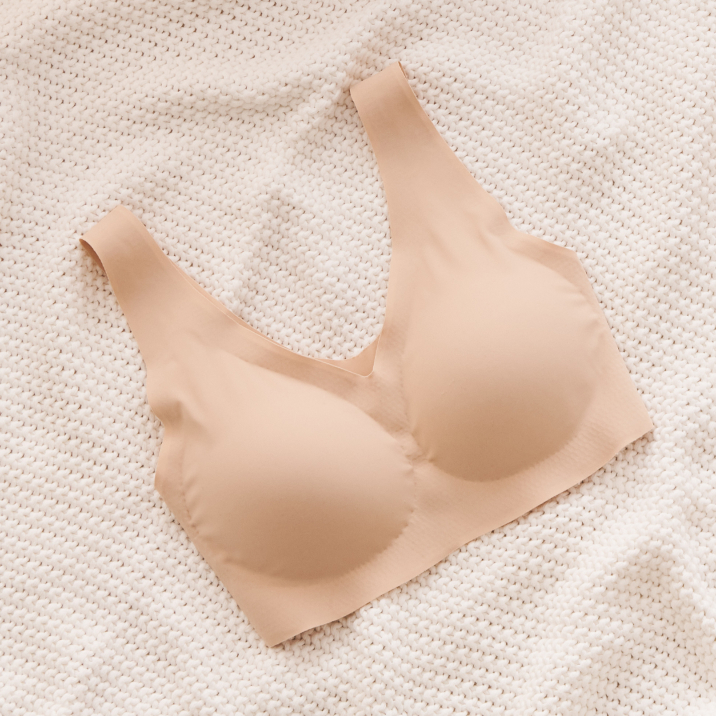
Drying: Avoid the Dryer Completely
The dryer is the worst enemy of lingerie. High heat cooks elastic fibers and warps moulded cups.
Our experts’ method: Gently press your bra with a towel to remove excess water (never wring it), then lay it flat to dry away from direct heat or sunlight, which yellows whites and fades colours.
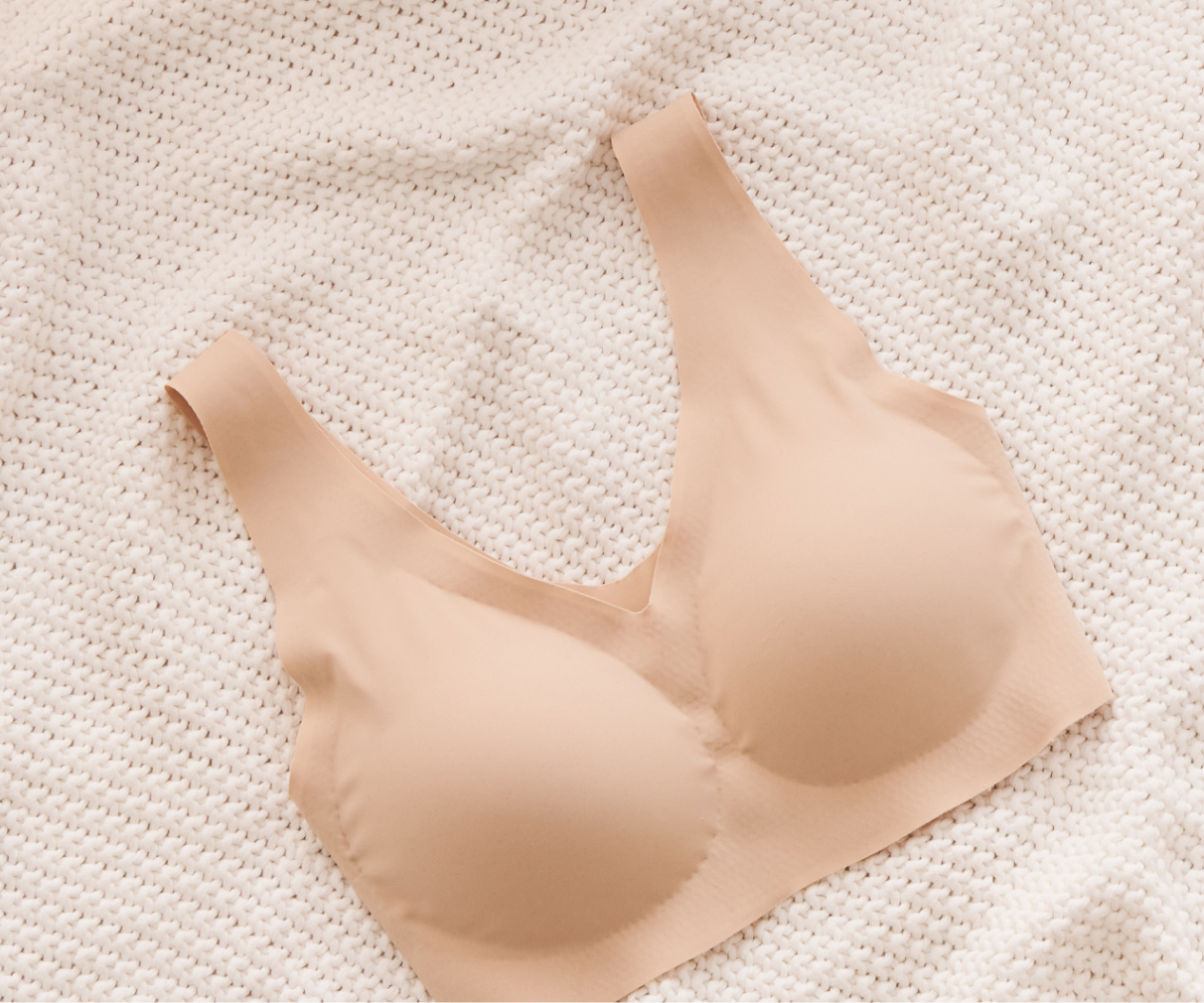
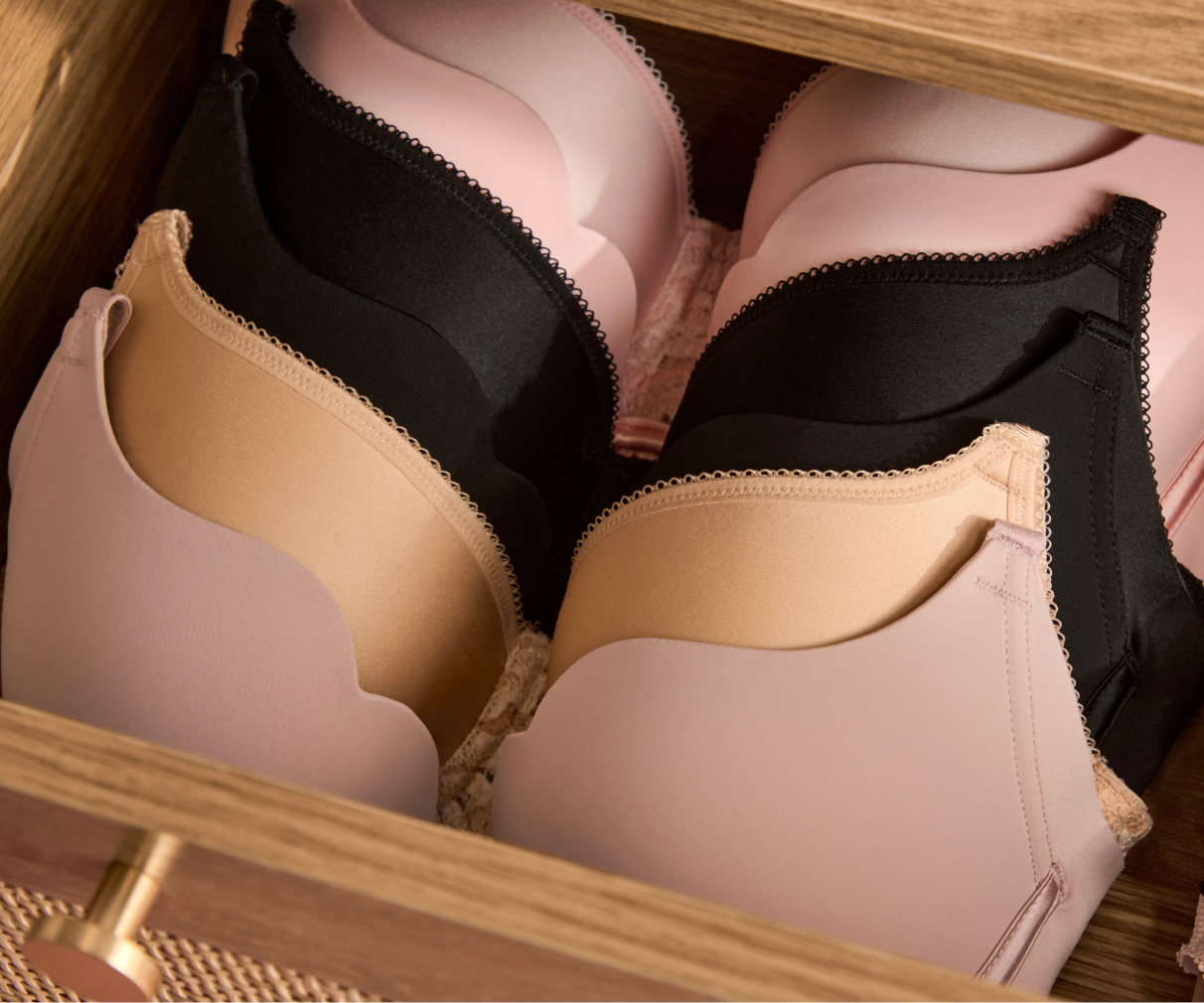
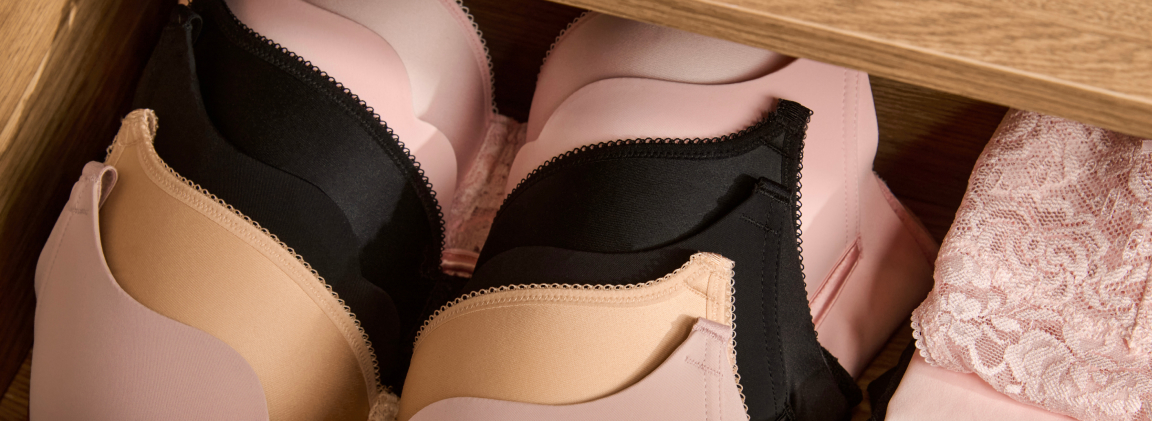
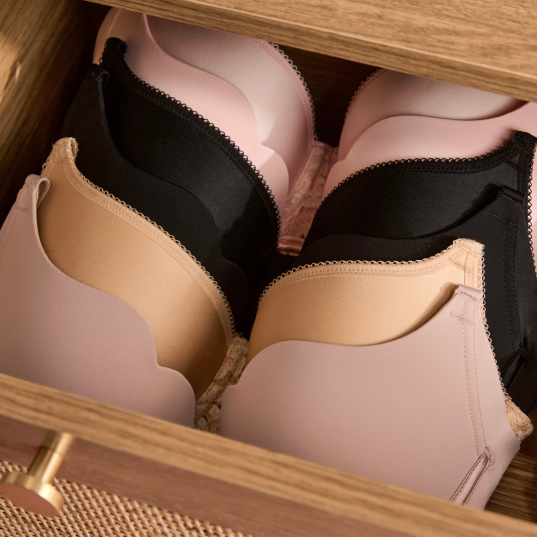
Proper Storage to Preserve Structure
How you store your bras directly affects their longevity. Poor storage can crush fibers, bend wires, and distort cup shape.
Our experts recommend two optimal methods:
- Flat storage: Lay bras one behind the other in a drawer to maintain their natural shape.
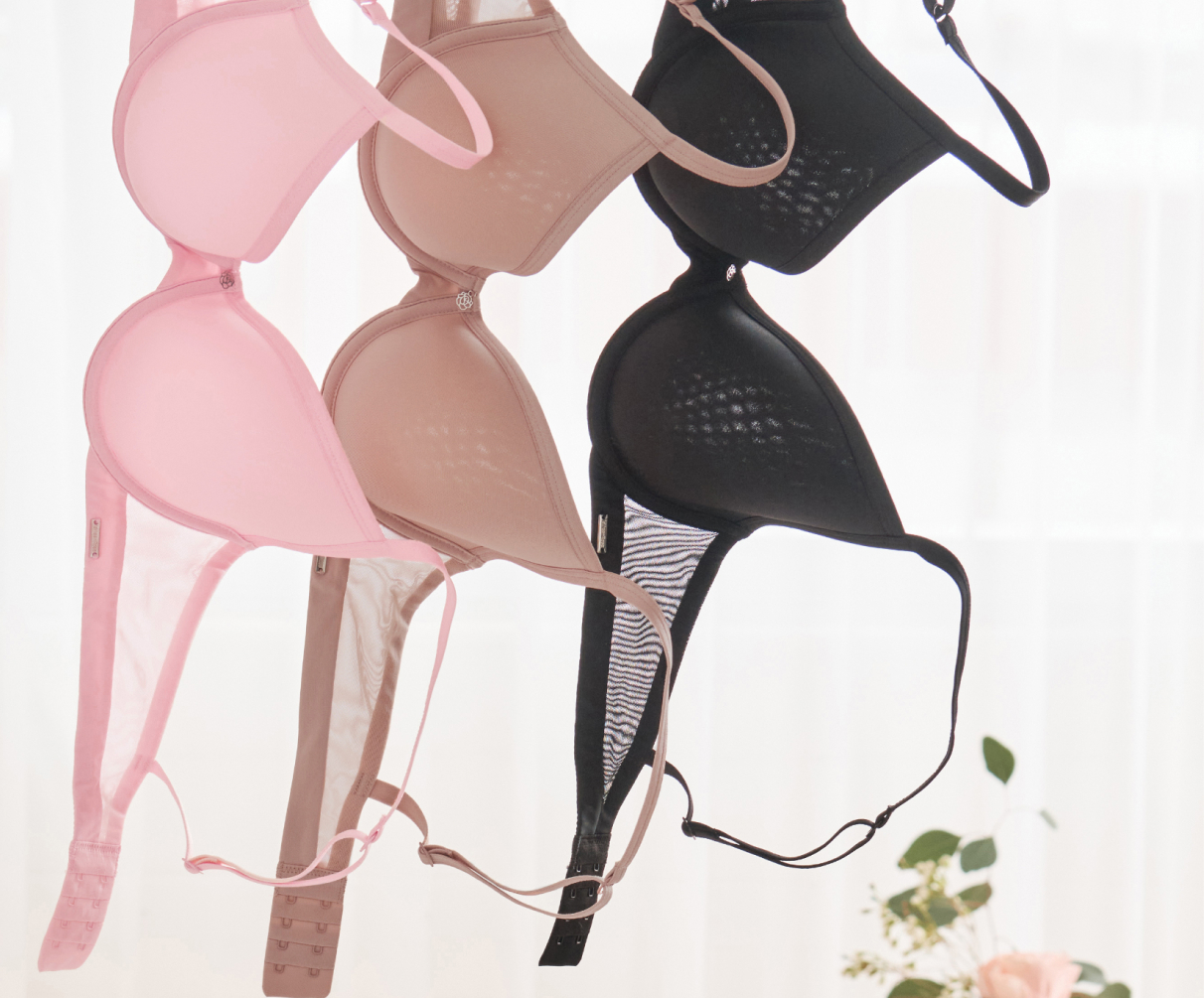
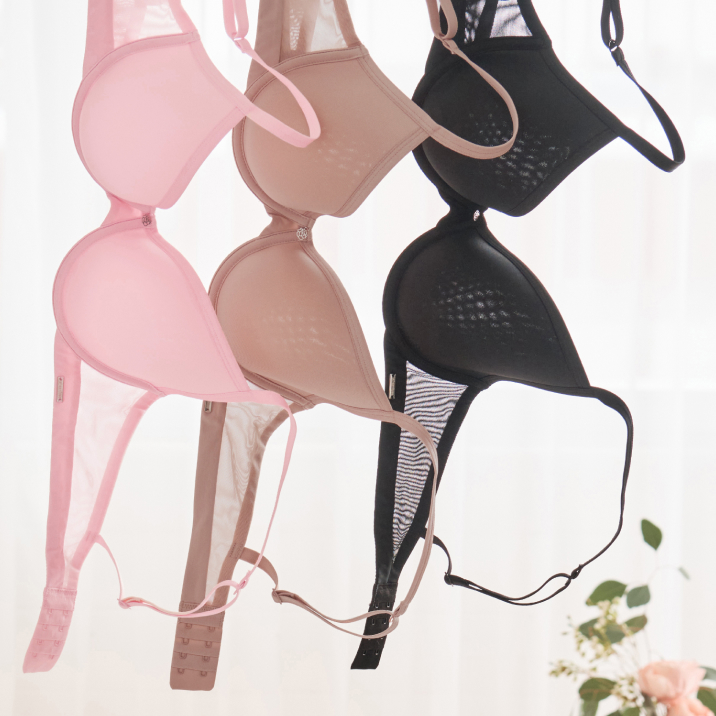
- Hanging storage: If you have space, hanging bras helps preserve structure.
Avoid: Folding one cup into the other. This creates uneven tension and permanently distorts the center front and cup shape, reducing support and lifespan.
How Often Should You Buy a New Bra?
Refreshing your bra drawer is part of healthy self‑care. Ideally, check your collection every 6 months.
The Recommended Purchase Cycle
For an active woman, owning 5 to 7 bras is the ideal balance. This allows proper rotation without wearing pieces out too quickly.
Buying 2 new bras per year helps maintain consistent support without straining your budget all at once.



Key Moments When You Should Replace Your Bras
Certain biological changes require an immediate update:
 Weight changes:
A shift of 3–5 kg affects both cup volume and band size.
 Hormonal changes:
Menopause or stopping hormonal contraception can alter breast density.
 Post‑pregnancy:
After breastfeeding, breast shape can often change, requiring a new cup depth or coverage.
Everything You Never Dared to Ask
Yes, but only if it’s worn infrequently, well cared for, and still fully functional. Even without visible signs, materials degrade over time.
Not necessarily. They face fewer mechanical stresses, but their elastics can stretch just as quickly depending on use and care.
Yes. It can lead to poor support, back pain, shoulder tension, and posture issues.
No. Nighttime movement puts unnecessary stress on the fabric. Your skin—and your breasts—need to breathe.
If cups gape, if breast tissue spills out, or if the centre front no longer lies flat, your size is off. Check our size guide or ask our in‑store experts.
If they fall despite proper adjustment, your band is likely too loose. When the band rides up, it shifts the strap position and reduces tension, a clear sign it’s time for a new bra.
Yes and no. Sweat and body oils break down elastane. Washing after 2–3 wears is ideal. Not washing enough is more damaging than washing gently and correctly.
Red marks on the shoulders mean your straps are carrying too much weight. If the centre front doesn’t touch your skin, the cup is too small. If the fabric wrinkles, it’s too big.
Absolutely. A bra that no longer supports you can still be useful. La Vie en Rose collects used bras year‑round. Drop them in the dedicated boxes in any of our stores.
Conclusion:
Listen to Your Body
You’re the expert now! A bra that no longer supports you becomes an invisible burden on your posture and comfort. By rotating your bras and investing in quality pieces every 6 to 9 months, you protect your comfort and preserve the natural shape of your bust.
Take care of your lingerie, it will take care of you every day!
DISCOVER OUR STYLES
DISCOVER OUR STYLES
RELATED ARTICLES
RELATED ARTICLES